About Spark for Life
Safe, evidence-based online exercise and wellness program for women navigating breast cancer.
Spark for Life offers guided remote programs that support women through breast cancer treatment, recovery, and survivorship.
Through structured exercise programs, education, and a supportive approach to movement, women can rebuild strength, restore confidence, rediscover their spark, and connect with a supportive community of women navigating a similar journey.
Programs include:
• Personal Training
• Small Group Sessions
About
Spark for Life
Safe, evidence-based exercise and wellness for women navigating breast cancer.
Spark for Life offers guided remote programs that support women through breast cancer treatment, recovery, and survivorship.
Through structured exercise programs, education, and a supportive approach to movement, women can rebuild strength, restore confidence, rediscover their spark, and connect with a supportive community of women navigating a similar journey.
Programs include:
• Personal Training
• Small Group Sessions
Why Spark for Life Exists
Early in my career, I worked with several women undergoing treatment for breast cancer. These women were already active, health-conscious, and committed to taking care of their bodies.
What surprised me most was that none of them had been given guidance about exercise during treatment. They had not been told what precautions to take, what movements might need modification, or how to reduce the risk of complications like lymphedema.
“Many women are told they can return to their normal routines… But after a breast cancer diagnosis, normal often feels very different.”
The body may be navigating surgery, scar tissue, chest tightness, fatigue, and changes in strength or mobility.
It became clear that women deserved more support and better guidance when it comes to exercise during this time.
Spark for Life was created to provide safe, evidence-based exercise and education for women navigating breast cancer treatment and recovery – helping them rebuild strength, restore confidence in their bodies, and reconnect with their vitality.
“Exercise is one of the most effective non-pharmacologic interventions for improving outcomes and quality of life in cancer survivors."
– American College of Sports Medicine
Why Spark for Life Exists
Early in my career, I worked with several women undergoing treatment for breast cancer. These women were already active, health-conscious, and committed to taking care of their bodies.
What surprised me most was that none of them had been given guidance about exercise during treatment. They had not been told what precautions to take, what movements might need modification, or how to reduce the risk of complications like lymphedema.
“Many women are told they can return to their normal routines… But after a breast cancer diagnosis, normal often feels very different.”
The body may be navigating surgery, scar tissue, chest tightness, fatigue, and changes in strength or mobility.
It became clear that women deserved more support and better guidance when it comes to exercise during this time.
Spark for Life was created to provide safe, evidence-based exercise and education for women navigating breast cancer treatment and recovery – helping them rebuild strength, restore confidence in their bodies, and reconnect with their vitality.
“Exercise is one of the most effective non-pharmacologic interventions for improving outcomes and quality of life in cancer survivors."
– American College of Sports Medicine
What Makes Spark for Life Different
Exercise during and after breast cancer treatment can be incredibly beneficial – but it needs to be approached with education, care, and an understanding of how the body changes through treatment and recovery.
Spark for Life provides breast cancer exercise guidance designed specifically for women navigating treatment and survivorship, with careful attention to safety, progression, and individual recovery.
What Makes Spark for Life Different
Exercise during and after breast cancer treatment can be incredibly beneficial – but it needs to be approached with education, care, and an understanding of how the body changes through treatment and recovery.
Spark for Life provides breast cancer exercise guidance designed specifically for women navigating treatment and survivorship, with careful attention to safety, progression, and individual recovery.
When appropriate, Spark for Life includes remote postural assessments and shoulder range of motion to help guide exercise selection and progression.
For women preparing for surgery, establishing baseline measurements can be a valuable tool for supporting safe, informed exercise over time.
Breathwork is an important part of the Spark for Life approach. The way we breathe influences posture, muscle tension, lymphatic circulation, and how the body responds to stress.
Simple breathing techniques are incorporated into sessions to help reduce tension in the chest, neck, and shoulders — areas that often become tight after breast cancer surgery or during treatment. The movement of the diaphragm during breathing also helps encourage healthy lymphatic circulation.
Breathwork can also help support energy levels, which is especially important for women experiencing fatigue during or after treatment. Different breathing patterns can gently stimulate the body when energy is low, calm the nervous system when stress is elevated, and help restore balance in the body when it feels depleted.
Different forms of exercise are introduced progressively so the body can rebuild strength, endurance, and vitality while supporting healing during and after breast cancer treatment.
Exercise intensity and recovery are carefully monitored and adjusted to ensure training remains appropriate for each individual’s stage of treatment, recovery, conditioning, and how they are feeling on any given day.
As women continue to move consistently, the benefits become cumulative — strength improves, energy begins to return, and daily activities often feel easier. Regular movement also stimulates the release of endorphins, which can support mood, reduce stress, and contribute to overall well-being, helping women rebuild confidence and reconnect with a renewed sense of vitality.
Pre-Surgery Support
Start with Clarity
If you are a pre-surgery or preparing for mastectomy, Spark for Life offers an opportunity to begin with intention – rather than waiting until after treatment.
Remote postural assessments can help establish baseline posture, movement patterns, and shoulder range of motion before surgery.
These baseline measurements guide individualized exercise programming and provide meaningful reference points as your body changes during treatment and recovery – helping us understand what your body is working toward as you rebuild strength and mobility.
This approach supports exercise before, during, and after breast cancer treatment – helping movement feel clear, supported, and less reactive.
All assessments are used to guide exercise programming and do not replace medical evaluation or care.
Pre-Surgery Support
Start with Clarity
If you are a pre-surgery or preparing for mastectomy, Spark for Life offers an opportunity to begin with intention – rather than waiting until after treatment.
Remote postural assessments can help establish baseline posture, movement patterns, and shoulder range of motion before surgery.
These baseline measurements guide individualized exercise programming and provide meaningful reference points as your body changes during treatment and recovery – helping us understand what your body is working toward as you rebuild strength and mobility.
This approach supports exercise before, during, and after breast cancer treatment – helping movement feel clear, supported, and less reactive.
All assessments are used to guide exercise programming and do not replace medical evaluation or care.
Meet the founder
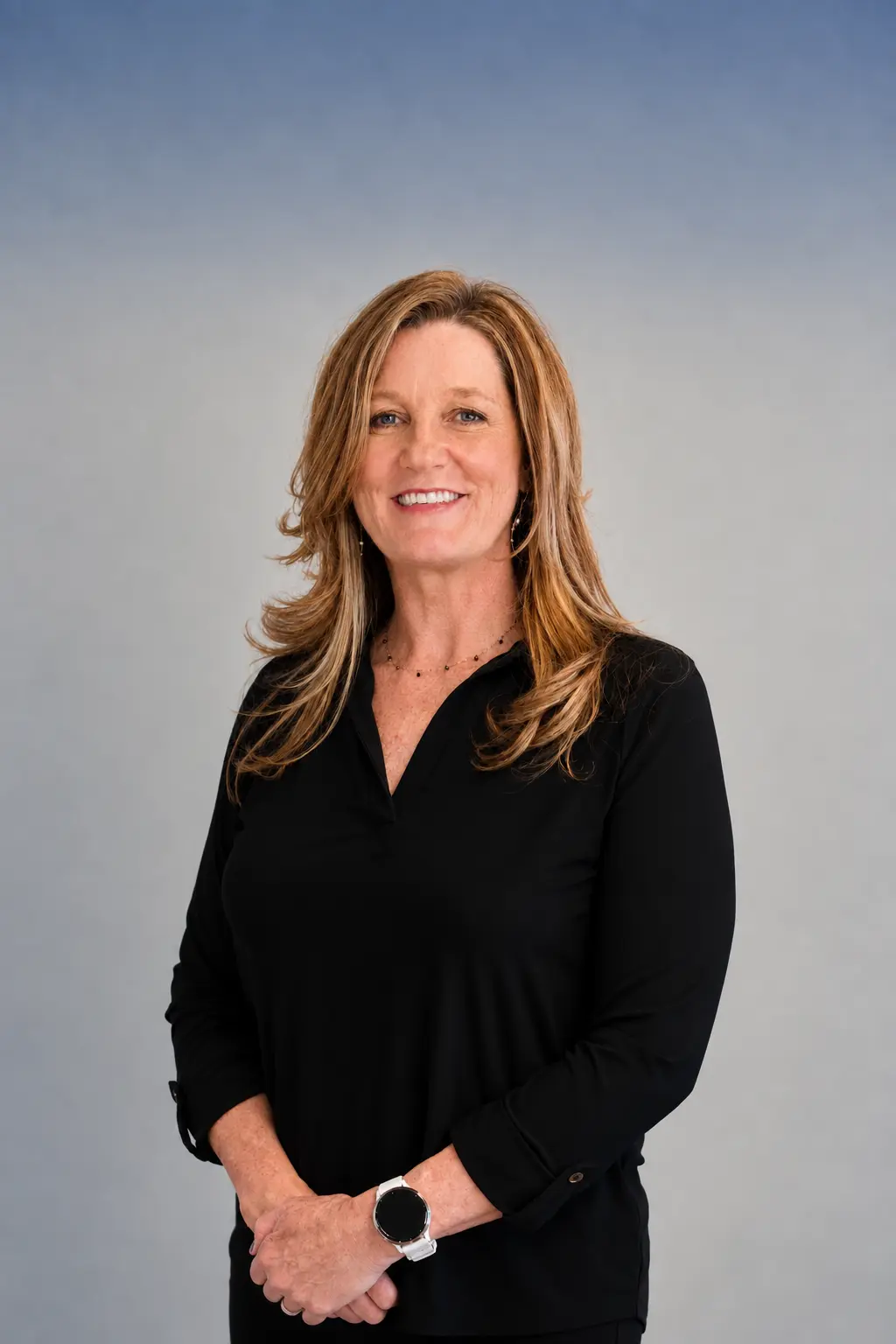
Jen Campbell
Jen Campbell is an Exercise Physiologist, Cancer Exercise Specialist, NASM-CPT, Pilates Instructor, and Breathwork Coach with more than 30 years of experience helping individuals rebuild strength safely and confidently through exercise.
Much of her career has been spent working with post-rehabilitation clients — where she saw firsthand that progress doesn’t come from pushing harder, but from starting in the right place and building with intention.
Her background in Pilates has played a key role in shaping how she programs, bringing a deeper focus to alignment, control, and how the body moves — especially during times of recovery and change.
After working closely with women navigating breast cancer, Jen recognized how little guidance exists around safe, appropriate exercise during treatment and recovery. Spark for Life was created to fill that gap — offering clear, structured support so women can move forward with confidence, not guesswork.
Jen is also the founder of Spark and Vitality, a boutique personal training and Pilates studio in Elkins Park, PA where she has spent years helping clients build strength through thoughtful, individualized programming.
Meet the founder
Jen Campbell
Jen Campbell is an Exercise Physiologist, Cancer Exercise Specialist, NASM-CPT, Pilates Instructor, and Breathwork Coach with more than 30 years of experience helping individuals rebuild strength safely and confidently through exercise.
Much of her career has been spent working with post-rehabilitation clients — where she saw firsthand that progress doesn’t come from pushing harder, but from starting in the right place and building with intention.
Her background in Pilates has played a key role in shaping how she programs, bringing a deeper focus to alignment, control, and how the body moves — especially during times of recovery and change.
After working closely with women navigating breast cancer, Jen recognized how little guidance exists around safe, appropriate exercise during treatment and recovery. Spark for Life was created to fill that gap — offering clear, structured support so women can move forward with confidence, not guesswork.
Jen is also the founder of Spark and Vitality, a boutique personal training and Pilates studio in Elkins Park, PA where she has spent years helping clients build strength through thoughtful, individualized programming.
Who Spark for Life Supports
Spark for Life supports women who want safe, guided exercise during breast cancer treatment and recovery.
Recently diagnosed and looking for guidance before treatment or surgery begins
Beginning exercise after breast cancer surgery, including lumpectomy, mastectomy, or
reconstruction
Experiencing chest tightness or limited shoulder mobility
Currently undergoing breast cancer treatment
Managing or concerned about lymphedema risk
Moving into survivorship and ready to rebuild strength while supporting bone health, heart
health, and overall wellness after treatment
If you've been told to exercise but are unsure how to begin, Spark for Life provides a clear, structured, and supportive approach to breast cancer recovery exercise, helping women move through each stage of their journey with guidance and accountability
Who Spark for Life Supports
Spark for Life supports women who want safe, guided exercise during breast cancer treatment and recovery.
Recently diagnosed and looking for guidance before treatment or surgery begins
Beginning exercise after breast cancer surgery, including lumpectomy, mastectomy, or
reconstruction
Experiencing chest tightness or limited shoulder mobility
Currently undergoing breast cancer treatment
Managing or concerned about lymphedema risk
Moving into survivorship and ready to rebuild strength while supporting bone health, heart
health, and overall wellness after treatment
If you've been told to exercise but are unsure how to begin, Spark for Life provides a clear, structured, and supportive approach to breast cancer recovery exercise, helping women move through each stage of their journey with guidance and accountability
Take the Next Step
You are braver than you think and stronger than you feel.


Take the Next Step
You are braver than you think and stronger than you feel.
Your Starting Point
Programs begin with a medical history review, PAR-Q (Physical Activity Readiness Questionnaire), and physician consent to ensure exercise programming aligns with each individual’s stage of treatment and recovery.
Ways to Work with Us
Programs are delivered remotely and include:
Workshops
1:1 Training
Small Groups
Classes
Each option provides safe, progressive exercise guidance tailored to the individual.